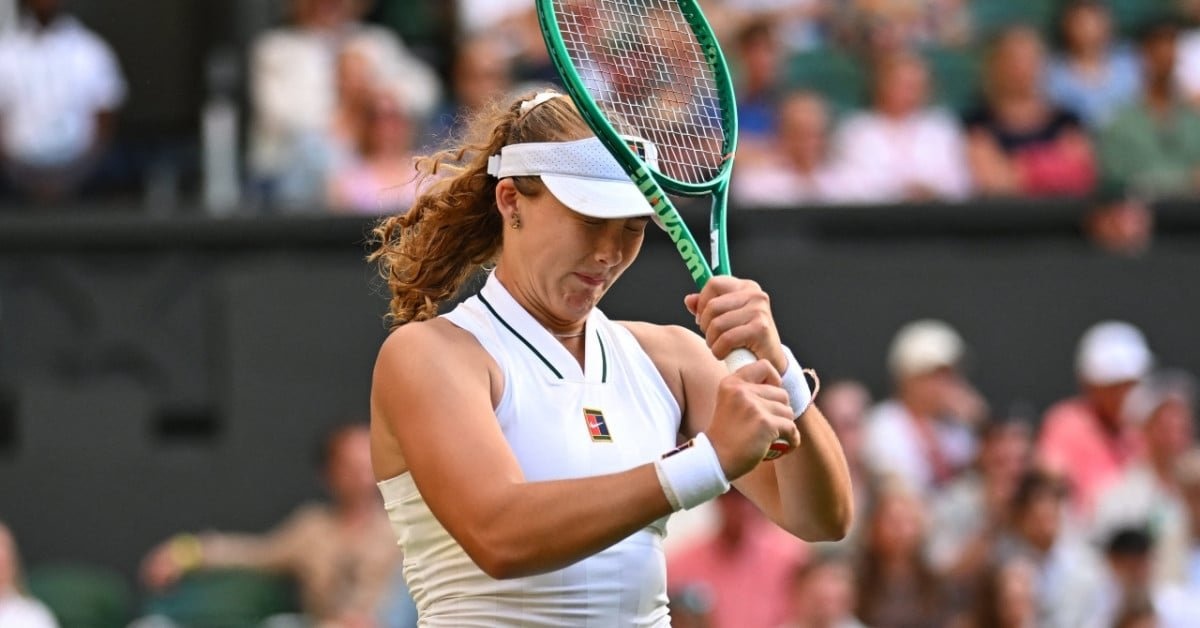
Silence fell across the Wimbledon grounds after one of the tournament’s biggest surprises unfolded. Nineteen-year-old Mirra Andreeva exited the competition earlier than expected, leaving thousands of spectators stunned and opening the door to widespread fictional debate throughout the tennis community.
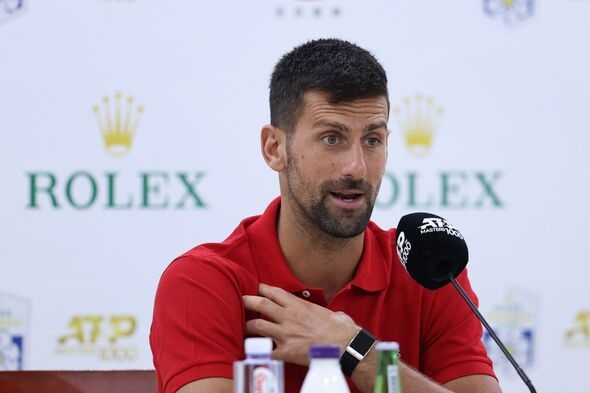
As conversations intensified, a fictional version of Novak Djokovic unexpectedly entered the spotlight. The legendary champion reportedly expressed sympathy for the young Russian player, insisting that her defeat deserved closer examination rather than immediate criticism from disappointed fans and analysts.
According to the fictional account, Djokovic reminded reporters that Andreeva remained only nineteen years old. He argued that young athletes often carry extraordinary expectations while still learning to manage pressure on the sport’s biggest stages against experienced Grand Slam champions.
The imagined comments quickly spread across international media and social platforms. Supporters praised Djokovic for defending one of tennis’s brightest rising stars, while others questioned whether such public intervention would only increase attention surrounding an already emotional defeat.
The fictional controversy escalated dramatically when Djokovic allegedly suggested that several crucial moments during the match deserved another review. He claimed certain officiating decisions had influenced the rhythm of the contest and deserved greater transparency from tournament officials.
Within hours, countless tennis commentators replayed important rallies from different camera angles. Every point became the subject of passionate discussion, with fans attempting to determine whether momentum had shifted because of pressure, tactics, or controversial officiating decisions.
The fictional narrative became even more sensational when rumors claimed Djokovic believed Andreeva’s opponent had intentionally exploited gray areas within the rules. Although no evidence was publicly presented, the allegation instantly dominated conversations across sports television and online communities.
Those imaginary accusations divided tennis supporters around the world. Some believed elite athletes should openly challenge anything they considered unfair, while others argued that respect for opponents and officials remained essential regardless of disappointment following a painful defeat.
Meanwhile, Andreeva herself remained remarkably composed throughout the fictional storyline. Rather than blaming anyone for the loss, she focused on thanking supporters, acknowledging her mistakes, and promising to return stronger after learning valuable lessons from another difficult Wimbledon experience.
Coaches and former players admired her calm response. They emphasized that emotional maturity often develops through difficult defeats, explaining that nearly every legendary champion experienced heartbreaking setbacks before eventually achieving lasting success on professional tennis’s biggest stages.
The fictional media storm continued growing as journalists sought reactions from players throughout the tournament. Some competitors refused to comment directly, while others encouraged everyone to avoid conclusions before carefully examining every aspect of the disputed match.
Attention then shifted toward Wimbledon officials. According to the fictional story, tournament executives privately reviewed multiple incidents after recognizing the enormous public interest surrounding the controversy that continued generating headlines around the sporting world.
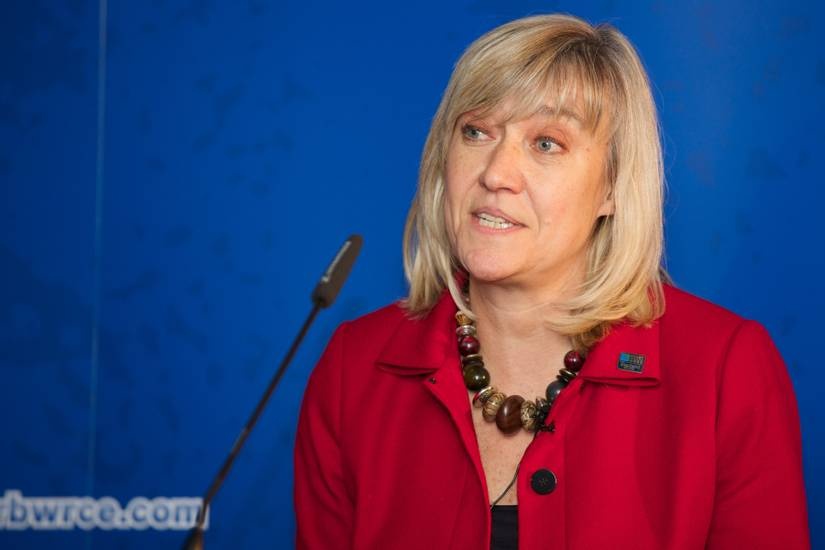
In this fictional account, Wimbledon Chair Debbie Jevans eventually addressed the growing speculation. She emphasized that maintaining competitive integrity represented the tournament’s highest priority and promised every concern would receive thorough evaluation regardless of public pressure.
Her fictional statement temporarily calmed some supporters, yet curiosity remained intense. Fans wondered whether the review might produce recommendations affecting future matches, especially involving communication between players, chair umpires, and electronic officiating technology during critical championship moments.
Television analysts spent hours debating the broader implications. Some argued tennis needed clearer procedures whenever controversial incidents occurred, while others insisted excessive reviews could interrupt the natural rhythm that has always defined professional competition at the highest level.
Throughout the fictional controversy, many observers highlighted Andreeva’s remarkable composure despite relentless media attention. They suggested her ability to remain focused under extraordinary scrutiny demonstrated qualities associated with future Grand Slam champions rather than inexperienced teenagers.
Veteran competitors also reminded audiences that tennis careers extend far beyond individual tournaments. Even devastating defeats can become defining learning experiences, strengthening resilience and preparing talented athletes for greater achievements later in their professional journeys.
The imagined investigation reached another dramatic chapter when fictional reports suggested tournament organizers considered implementing additional communication guidelines between officials and players. Although purely speculative, these rumors generated endless discussion regarding fairness, consistency, and transparency within elite tennis.
As excitement continued building, public opinion remained deeply divided. Some supporters passionately defended Djokovic’s fictional stance, believing experienced champions should speak whenever they perceived injustice. Others argued extraordinary claims required extraordinary evidence before becoming accepted as credible.
Despite every rumor surrounding the fictional controversy, Andreeva’s determination never appeared shaken. She returned to practice with visible intensity, reminding everyone that champions ultimately answer criticism through preparation, discipline, and performances rather than emotional public exchanges.
The fictional episode eventually became less about one surprising defeat and more about the pressures facing young athletes competing under global attention. Every victory and setback can instantly become worldwide discussion, testing character as much as athletic ability.
Whether people believed the imagined allegations or rejected them completely, one conclusion united nearly everyone. Mirra Andreeva remained among tennis’s most exciting young talents, possessing enormous potential to transform disappointment into future triumphs on the sport’s greatest stages.
As Wimbledon moved forward, the fictional controversy gradually faded into memory. Yet the story left behind an enduring reminder that resilience, integrity, and perseverance often shape an athlete’s legacy far more profoundly than any single result or sensational headline.