The atmosphere around Wimbledon reached an extraordinary level of excitement as the tournament prepared for one of its most anticipated Round of 16 encounters. Fans around the world eagerly counted the hours until Aryna Sabalenka and Naomi Osaka would finally meet on one of tennis’s grandest stages.
Reporters crowded the practice courts searching for clues about both players’ preparations. Every smile, every training session, and every interview became the center of endless discussion as experts debated which former champion possessed the stronger mentality before the blockbuster showdown.
Following an intense practice session, Sabalenka reportedly addressed journalists with remarkable confidence. According to the fictional narrative spreading through social media, she declared that she had not traveled across the world simply to fall short of another major opportunity.
Those dramatic words immediately ignited headlines everywhere. Supporters admired the Belarusian’s fearless attitude, while critics argued that such statements could create unnecessary pressure before facing one of the most dangerous competitors in women’s tennis.
Within hours, fictional reports suggested that Osaka responded in her own composed fashion. Rather than matching the emotional intensity, she supposedly smiled calmly before reminding everyone that tennis matches are decided by performances, not by conversations before stepping onto the court.
That response instantly fueled another wave of speculation. Fans praised Osaka’s calm demeanor, describing it as the perfect answer to psychological pressure, while others insisted both players were simply expressing competitive confidence before an enormous sporting occasion.
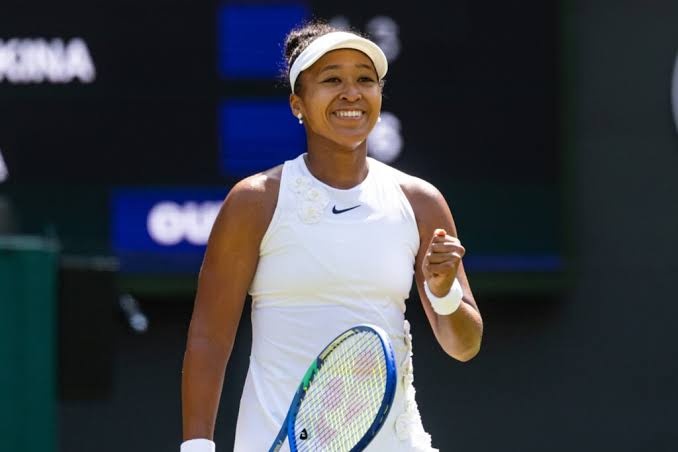
Television analysts eagerly dissected every supposed comment. Some believed Sabalenka intended to establish psychological dominance before the first serve, hoping to force Osaka into defensive thinking long before the opening point even began.
Others completely rejected that interpretation. They argued Sabalenka had always embraced emotional honesty throughout her career, frequently expressing determination with powerful language that reflected her competitive spirit rather than personal hostility toward any opponent.
Meanwhile, Osaka continued preparing with impressive focus. Cameras captured her practicing serves, refining returns, and repeating movement drills without appearing distracted by growing media speculation surrounding the fictional exchange dominating international sports headlines.
Several former players joined the conversation, emphasizing that elite champions often welcome mental battles before significant matches. Confidence, they explained, can become another powerful weapon alongside speed, technique, precision, and physical endurance during Grand Slam competition.
As anticipation continued building, ticket demand skyrocketed. Thousands hoped to witness an unforgettable clash featuring two of the sport’s biggest personalities, both capable of producing breathtaking winners and dramatic momentum swings under enormous championship pressure.
Social media transformed into an endless battlefield of predictions. Hashtags supporting Sabalenka and Osaka trended worldwide as passionate supporters debated serving power, return efficiency, tactical adjustments, previous performances, and overall mental resilience entering the prestigious contest.
Some observers predicted Sabalenka’s aggressive baseline game would overwhelm her opponent through relentless pressure. Others believed Osaka’s explosive first serve and clean groundstrokes would allow her to dictate rallies whenever opportunities appeared during crucial moments.
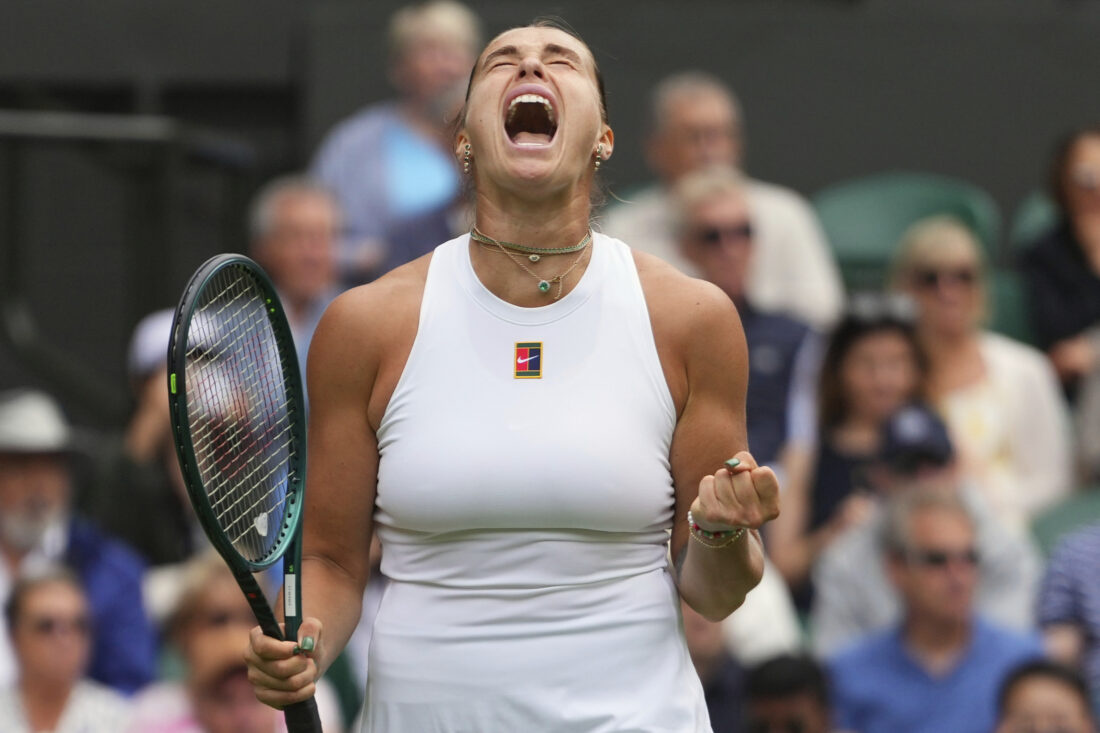
Training sessions remained closed for extended periods, encouraging even greater speculation. Every rumored adjustment became another subject of debate, with commentators attempting to uncover hidden strategies that might influence one of Wimbledon’s defining matches.
Despite the fictional tension surrounding their reported remarks, tournament officials privately welcomed the growing excitement. Interest surrounding the contest reached extraordinary levels, attracting millions of viewers eager to experience another memorable chapter in modern women’s tennis.
Sponsors also embraced the enormous attention. Promotional campaigns highlighted determination, resilience, and excellence rather than rivalry alone, reminding audiences that both athletes had overcome significant challenges before returning to compete among tennis’s elite performers.
Fans arriving at the All England Club described an atmosphere unlike any other. Conversations in queues, restaurants, and surrounding streets centered almost entirely upon the upcoming meeting between two stars whose careers had already inspired countless aspiring athletes.
Many remembered Sabalenka’s relentless pursuit of Grand Slam glory, admiring her powerful shot-making and fearless personality. Others reflected upon Osaka’s inspiring comeback journey, praising her courage in balancing professional success with personal growth beyond competitive tennis.
Journalists eagerly positioned themselves around every possible entrance, hoping to capture meaningful reactions. Even the smallest facial expression became headline material, demonstrating how anticipation had transformed ordinary tournament routines into extraordinary moments of public fascination.
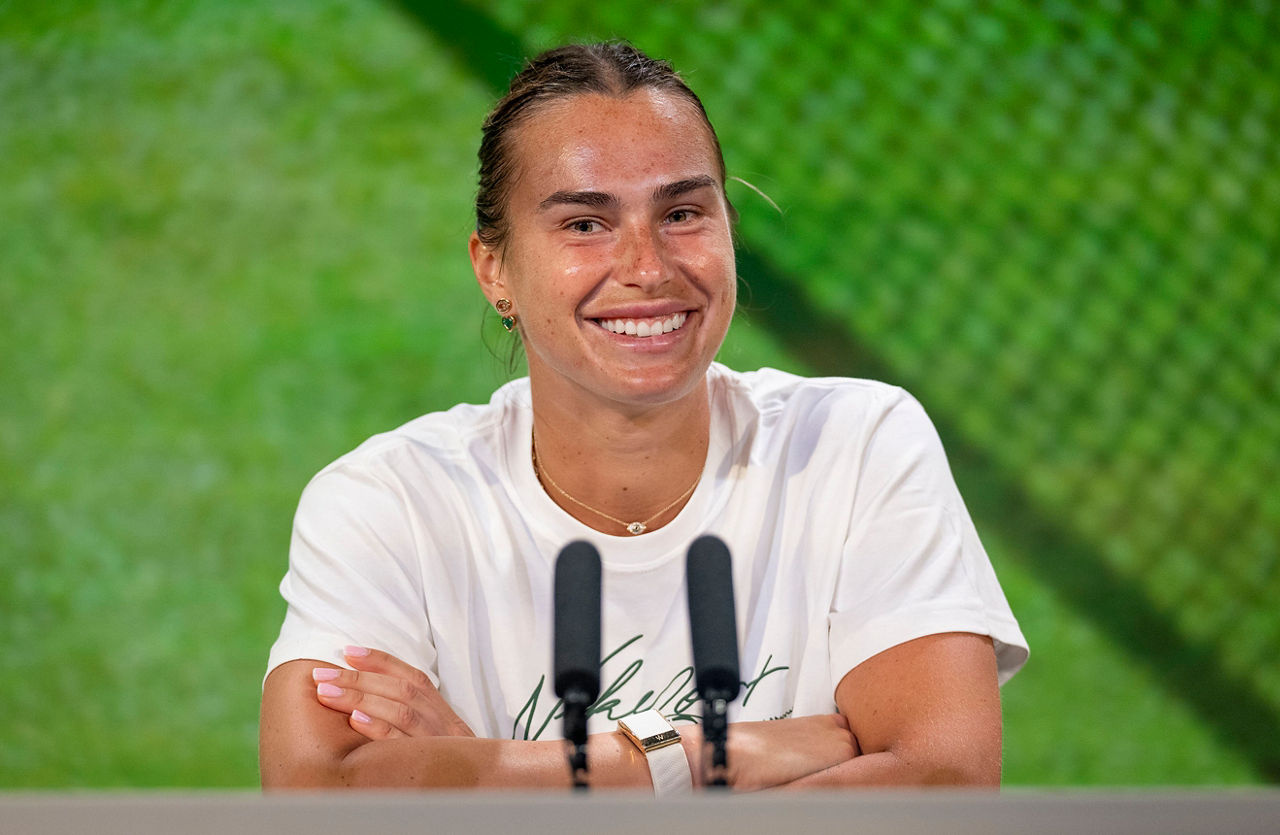
Behind the scenes, both camps reportedly ignored the surrounding noise. Coaches emphasized discipline, tactical preparation, recovery, and emotional stability, insisting that victories at Wimbledon depended far more upon execution than dramatic pre-match narratives circulating online.
Former champions reminded younger audiences that genuine greatness often emerges under intense pressure. History repeatedly demonstrated that the loudest headlines rarely determined final results, while composure and consistency frequently separated champions from disappointed contenders.
When match day finally arrived, Centre Court buzzed with extraordinary energy. Spectators applauded enthusiastically as both players entered the famous arena, carrying years of expectations, remarkable achievements, and the hopes of millions watching across every continent.
The fictional war of words disappeared the instant the warmup began. Every conversation shifted toward footwork, timing, shot selection, and mental toughness, proving once again that tennis ultimately rewards performance rather than pre-match declarations or sensational headlines.
Regardless of who eventually emerged victorious, the contest symbolized far more than one afternoon at Wimbledon. It represented resilience, ambition, confidence, and the relentless pursuit of excellence that continues inspiring generations of athletes throughout the global sporting community.
As evening settled across London, fans departed believing they had witnessed something unforgettable. Whether discussing powerful serves, breathtaking rallies, or the imagined exchange that heightened anticipation, everyone agreed the spectacle perfectly captured the enduring drama that makes Grand Slam tennis so captivating.