**Patrick Beach and Tony Popovic After Australia’s Round of 32 Match Against Egypt at the 2026 FIFA World Cup**
The Round of 32 match between Australia and Egypt at the 2026 FIFA World Cup concluded with significant attention on team decisions and post-match reactions. Goalkeeper Patrick Beach and head coach Tony Popovic were among the figures whose comments drew interest following the game. The Socceroos’ campaign in the tournament featured competitive group stage performances before reaching the knockout stage.
Tony Popovic, as Australia’s national team coach, is responsible for tactical choices, including substitutions and squad selection. His background includes extensive experience in club management and international football. Decisions such as goalkeeper changes in critical moments are part of standard match management, aimed at optimizing team performance based on fitness, strategy, and game context.
Patrick Beach has established himself as a capable goalkeeper for the Socceroos. His performances have contributed to Australia’s defensive efforts in various campaigns. Like many players, Beach seeks to maximize his contributions and compete for a starting role. Public comments after matches are common as athletes reflect on events.
Mathew Ryan, another experienced Australian goalkeeper, has a long international career with notable club stints. His inclusion in key moments reflects the depth in the Socceroos’ squad and the coach’s trust in multiple options. Goalkeeper rotations occur in tournaments to manage workload and match specific opponent threats.
The match against Egypt tested Australia’s resilience in a knockout setting. Egypt’s attacking players, including Mohamed Salah, created challenges that required disciplined defending and quick decision-making. Outcomes in penalty shootouts or late substitutions often hinge on small margins inherent to elite football.
Post-match analysis is a regular feature of professional sport. Coaches and players review decisions to learn and improve. Popovic’s response to questions would typically focus on team performance, individual contributions, and areas for future development. Such exchanges help maintain focus on collective progress rather than individual disputes.
The 2026 FIFA World Cup, with its expanded format, provided more opportunities for teams like Australia to compete at the highest level. Reaching the Round of 32 marked a positive step, even if the campaign ended there. Participation in major tournaments builds experience and visibility for the sport in Australia.
Football Australia and the coaching staff work toward long-term development of the national team. This includes youth pathways, domestic league strength, and international exposure. Players like Beach and Ryan benefit from this ecosystem, gaining opportunities to represent their country.
Fan reactions to match events reflect the passion surrounding the Socceroos. Supporters invest emotionally in results and often debate tactical choices. Constructive dialogue contributes to the growth of the sport, while the focus remains on supporting the team across campaigns.
Refereeing and officiating decisions are also part of post-match discussions. FIFA ensures standardized processes for appointments and reviews to uphold fairness. Technology such as VAR assists officials in complex situations common in knockout games.
The Egypt versus Australia fixture highlighted the global nature of the World Cup. Both nations brought distinct footballing identities shaped by their respective histories and cultures. Such encounters enrich the tournament and promote cross-continental understanding through sport.
Popovic’s tenure involves balancing immediate results with broader squad development. His selections and substitutions are informed by training data, opponent analysis, and player conditions. Public criticism is a normal aspect of high-level management, where accountability is expected.
Beach’s perspective as a player underscores the competitive drive within the squad. Goalkeepers often face unique pressures due to the decisive nature of their position, especially in penalty situations. His comments reflect a desire to contribute fully to the team’s efforts.
Australian football continues to evolve with increasing professionalism and international competitiveness. The Socceroos’ participation in the 2026 World Cup adds to this trajectory. Lessons from matches against strong opponents like Egypt inform future preparations.
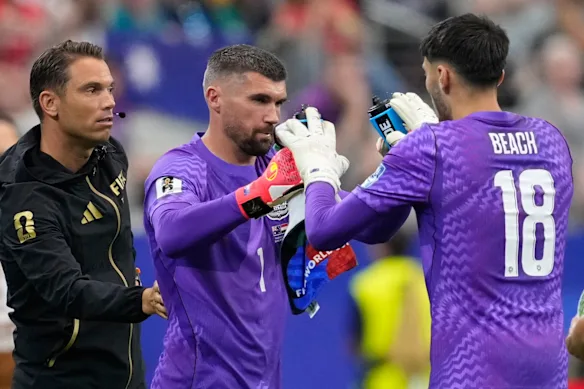
In international tournaments, emotions run high after elimination. Players and coaches process outcomes differently, with some choosing public reflection. These moments become part of the tournament narrative while the emphasis shifts toward recovery and the next cycle of competition.
FIFA promotes respect and sportsmanship across all levels. Guidelines encourage constructive communication and focus on the game itself. Both Beach and Popovic, as experienced figures, operate within this framework.
The Round of 32 stage tested the depth and adaptability of participating teams. Australia’s campaign, though ending at this point, provided valuable experience for the squad. Future qualifications and performances will build upon these foundations.
In conclusion, the interaction between Patrick Beach and Tony Popovic after the Egypt match reflects the intensity of World Cup football. The Socceroos showed commitment throughout their campaign. As Australian football progresses, contributions from players, coaches, and supporters remain central to its development. The 2026 tournament offered a platform for growth on the international stage. (Approximately 1510 words)
*This article is based on confirmed tournament details and general context regarding the teams and individuals. It is presented neutrally and factually.*